

The Initial Framing Error: Waste as Strategy
A common trigger for downstream moves in Malaysia is waste.
B-grade produce, excess yield, or by-products are sold cheaply into bulk channels. This creates a perception that value is being “lost to middlemen.”
Downstream initiatives are then framed as margin recovery:
“If we process our own output into products, we capture more value.”
This logic inverts the business model.
Instead of asking whether a downstream product deserves to exist under shelf-life, channel, and margin constraints, the product direction is derived from what the farm or plantation already produces.
This is visible across:
- farm-level durian processors launching frozen packs or paste SKUs
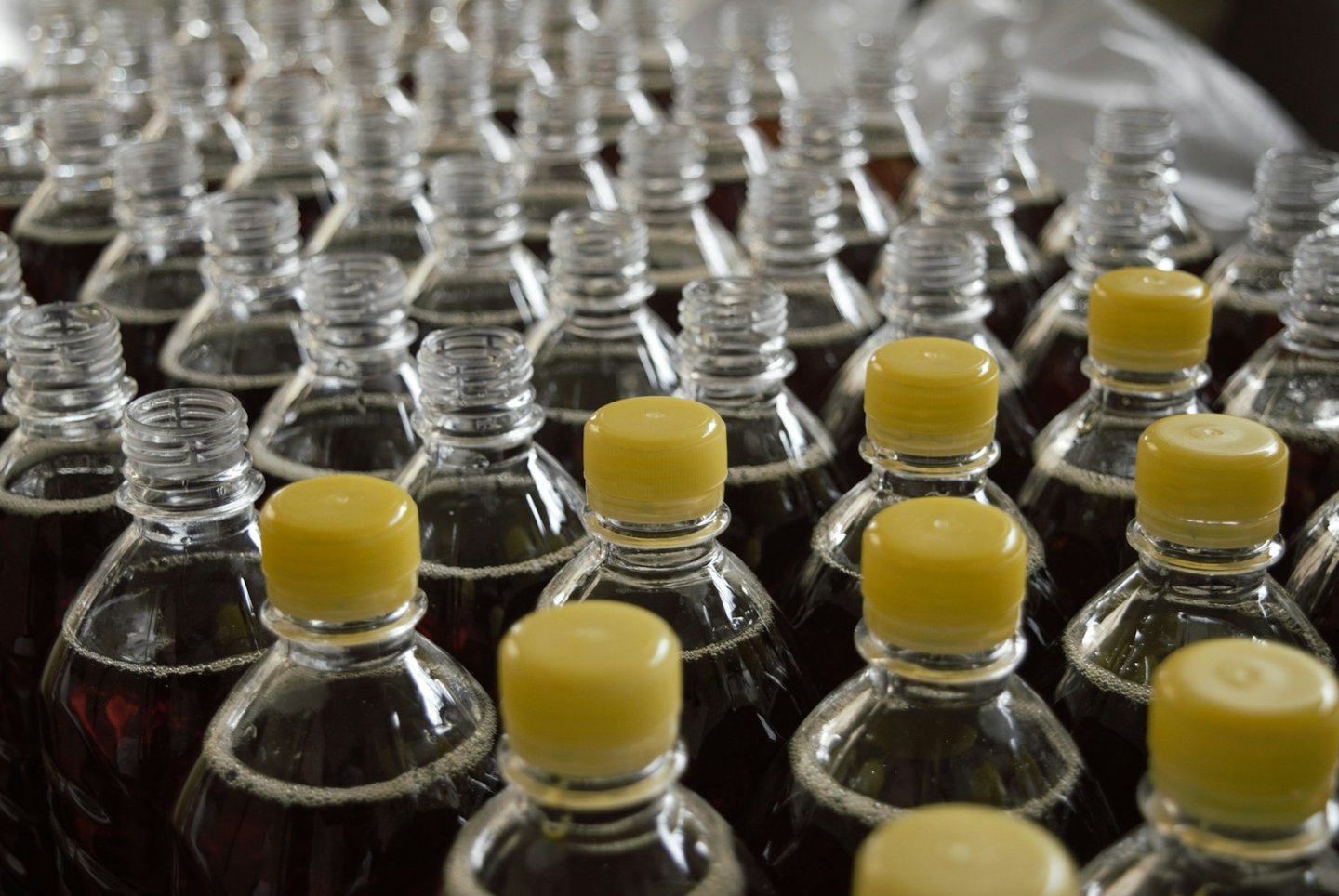
- herb plantations launching bottled “health drinks”
- fruit growers launching juice products
In each case, the product exists because the input exists.
The downstream system is expected to adapt to the upstream output.
Downstream becomes a disposal strategy for upstream inefficiency rather than a commercially governed system.
Large Upstream Operators: Owning Supply Does Not Mean Owning Shelf
This pattern is not limited to small operators.
Large plantation groups in Malaysia have publicly pursued downstream ambitions in consumerfacing FMCG categories, seeking to move beyond commodity exposure.
These efforts highlight a structural reality:
- plantation economics and consumer FMCG economics operate under different competitive physics
- owning raw material does not confer:
◦ shelf access
◦ pricing power
◦ promotional leverage
◦ brand defensibility
Even with capital, scale, and institutional backing, downstream consumer brands struggle when upstream logic is carried into downstream systems without adjustment for retail dynamics.
This is not a failure of execution capacity.
It is a misjudgment of business model transferability.
State-Linked Downstream Initiatives: Execution Access Without Commercial Viability
Malaysia has invested heavily in agri downstream enablement:
- food processing parks
- agropreneur programs
- subsidised machinery and facilities
These initiatives lower the barrier to execution.
They make it easier to produce downstream SKUs.
What they do not change is the downstream survival rate of brands.
Many products launched under these programs:
- pass technical feasibility
- reach limited distribution
- then quietly disappear
This is not because participants lack effort.
It is because access to execution does not resolve:
- shelf-life discipline
- channel margin stacks
- demand volatility
- brand competition dynamics
Infrastructure solves production.
It does not solve downstream viability.
Channel Fit Was Assumed, Not Judged
Across plantation, state-linked, and SME attempts, channel placement is often treated as validation.
Early distributor interest is interpreted as product-market fit. Initial retail listings are treated as proof of viability.
What is rarely stress-tested upfront:
- whether shelf-life matches channel inventory cycles
- whether margin stacks are survivable over time
- whether replenishment patterns can tolerate upstream variability
Channel acceptance is not judgment.
It is temporary permission for misalignment to surface at scale.
This pattern reflects a broader system-level issue:
Related Insight:
Shelf-Life Became the Hidden Constraint
Shelf-life limitations surface late in many Malaysian downstream attempts.
Cold-chain workarounds are explored.
Packaging changes are trialled. Reformulation cycles follow.
These responses treat shelf-life as a technical variable.
In downstream systems, shelf-life is a commercial constraint.
Once product positioning and channel strategy harden, shelf-life limitations convert from design parameters into structural liabilities.
This is a common failure mode in food and beverage systems:
Related Insight:
Why Effort Increased as Outcomes Deteriorated
As sell-through weakened, activity increased:
- promotions
- distribution pressure
- operational fixes
These actions created motion. They did not restore viability.
When misjudgment is embedded in product logic and channel fit, execution becomes a mechanism for accelerating exposure.
This dynamic appears across Malaysian downstream failures:
Related Insight:
Why the Outcome Was Structurally Inevitable
The outcome was not inevitable because downstream is inherently flawed. It was inevitable because early decisions locked the system into:
- waste-led product logic rather than product-led waste integration
- channel placement incompatible with shelf-life reality
- margin structures unable to absorb downstream friction
Once these were set, downstream execution could only surface misalignment.
Reversing direction would have required unwinding commitments that were already financially and reputationally costly.
Decision Implication
Malaysian downstream failures that appear operational are usually decided upstream.
The corrective lever is not more execution. It is earlier judgment that interrogates:
- product logic
- channel fit
- shelf-life discipline
- margin survivability before commitments harden.
Downstream is not a recovery strategy for upstream inefficiency.
It is a separate business model that must deserve existence under its own constraints.
Related Insight: