

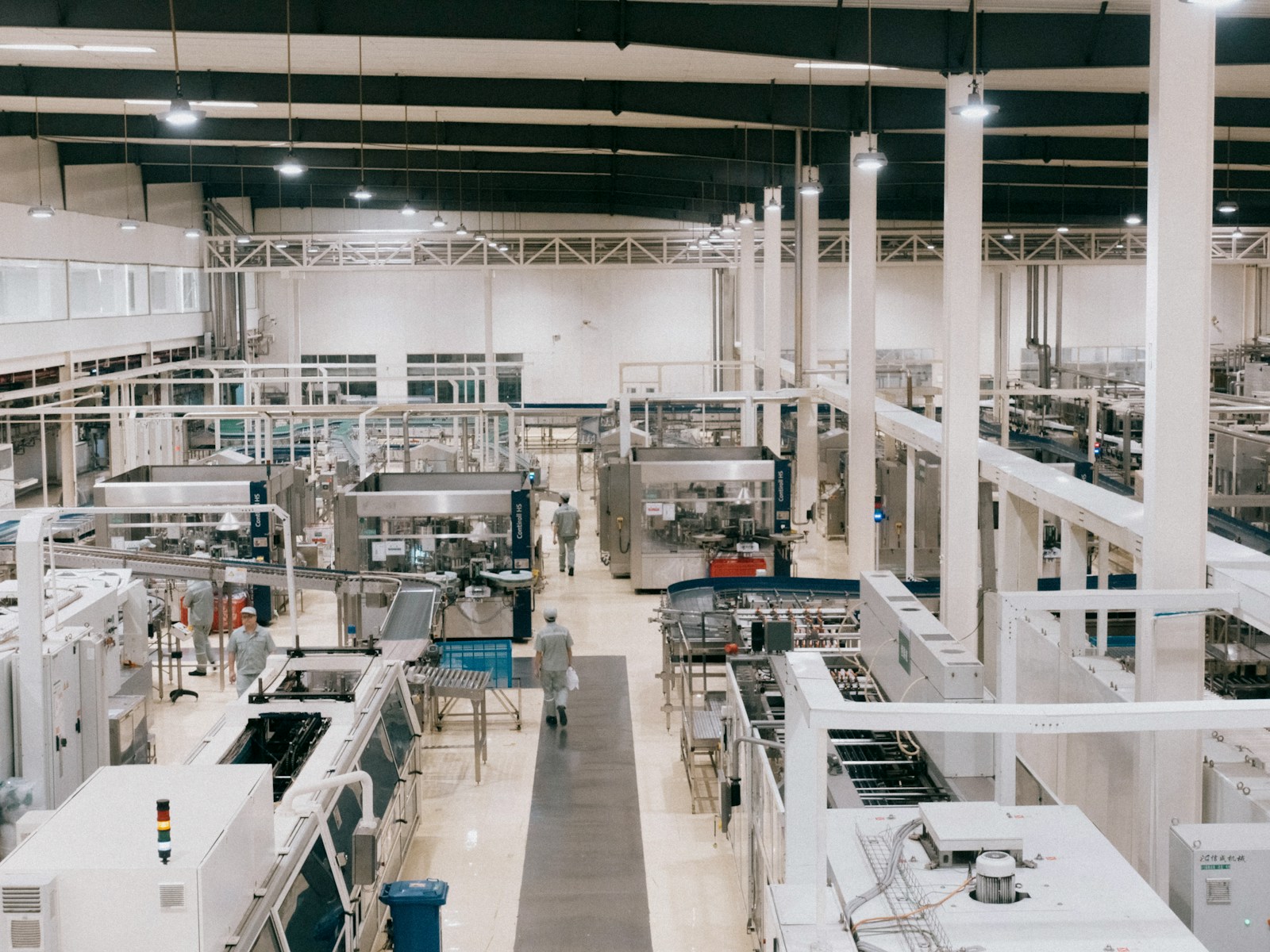
Introduction — MOQ Is Where Anxiety Appears, Not Where Risk Begins
MOQ is where most beverage founders feel pressure.
Factories ask for volume.
Costs jump.
Commitment becomes real.
At this point, founders believe they are facing a manufacturing problem.
They are not.
MOQ does not create risk.
MOQ reveals risk that already exists.
The Wrong Question Most Founders Ask First
The first question founders ask factories is usually:
“What’s the MOQ?”
That question is not wrong.
It is simply being asked too early.
The correct first question is:
“Should I even proceed?”
By the time MOQ is discussed, most founders have already assumed the answer is yes. That assumption is where most beverage projects quietly lose optionality.
Why MOQ Is Misunderstood
MOQ is often framed as:
- a negotiation issue
- a factory constraint
- a cost problem
This framing is convenient — and incorrect.
MOQ is not the moment risk appears.
It is the moment risk becomes irreversible.
What MOQ Actually Does
MOQ forces three things to happen at once:
- capital is committed
- inventory is created
- flexibility collapses
Before MOQ, mistakes are private and reversible. After MOQ, mistakes are public and expensive.
MOQ does not test whether a product is viable.
It tests whether founders are willing to pay for being wrong.
Why Low MOQ Is a Confidence Crutch
Most founders ask for low MOQ because they are unsure the product will sell.
This uncertainty is often misdiagnosed as a manufacturing problem. In reality, it is a confidence problem.
Low MOQ does not create confidence. It only reduces the cost of uncertainty.
A low MOQ of the wrong product is still the wrong product.
Judgment Comes Before Manufacturing
Confidence is not emotional. It is earned.
That confidence comes from understanding constraints before execution:
- economics and margins
- demand and willingness to pay
- stability and shelf-life behavior
- functionality over time
- cost, price, and channel fit
Only then does product design begin — not as an idea, but as craftsmanship.
Why Scaling Becomes Easy After Judgment
When judgment is sound:
- demand is no longer hypothetical
- validation already exists
- behavior is predictable
At this point, MOQ becomes operational, not frightening.
The False Comfort of “We’ll Learn at Scale”
Learning only matters when it is reversible.
Once MOQ is accepted:
- learning becomes loss
- iteration becomes waste
Execution continues, but optionality is gone.
Decision Implication
MOQ is not the decision to optimize.
The real decision is whether the product should proceed at all — under real constraints.
When judgment precedes commitment, MOQ becomes manageable.
When it does not, MOQ is simply where mistakes become expensive.