
A Malaysian Downstream Failure: What Went Wrong — And Why It Was Inevitable
A composite Malaysian downstream failure shows how waste-led product logic, shelf-life misjudgment, and channel mismatch lock in failure before execution begins.
 Skip to content
A composite Malaysian downstream failure shows how waste-led product logic, shelf-life misjudgment, and channel mismatch lock in failure before execution begins.
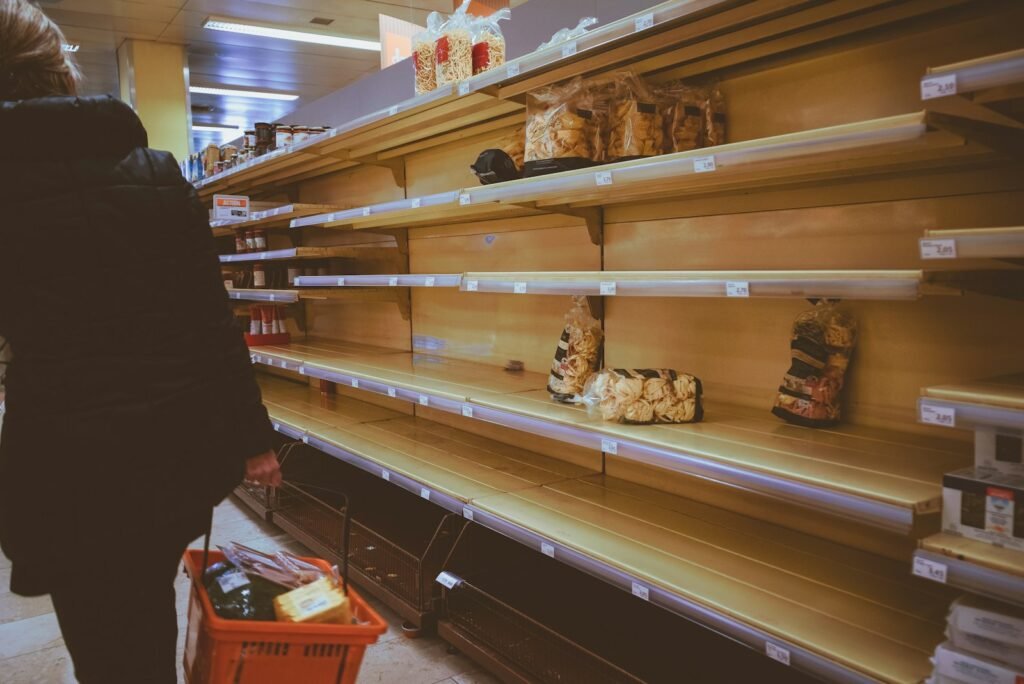
Most downstream attempts fail because operators proceed before meeting three non-negotiable conditions: stability, consistency, and commercial viability under real channel constraints.

Most farms fail when attempting downstream integration because early decisions ignore shelf-life, margin reality, and downstream constraints. Failure is locked in before execution begins.

Why innovation fails when R&D and Business Development work at cross purposes—and how aligning technical design to commercial constraints prevents late-stage failure at Malaysian factories.

Why master brands are diluted before consumers ever see the product—and how brand architecture, consumer association, and category compatibility protect trust during new product launches in Malaysia and Singapore.

Why adjacent growth breaks incumbent food companies in Malaysia—and how disciplined separation, focus protection, and quiet testing prevent factory disruption, brand dilution, and latestage failure.
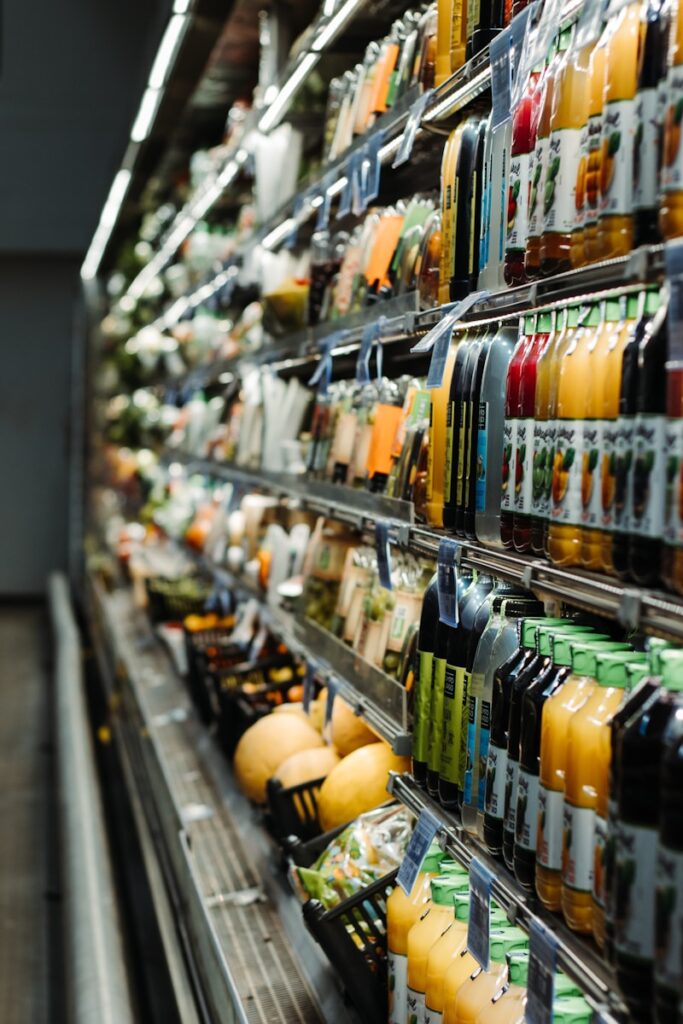
Supermarket rejection is rarely about branding or pitch. “Not yet” usually signals product readiness gaps in consistency, stability, compliance, and unit economics that make downstream risk unacceptable.
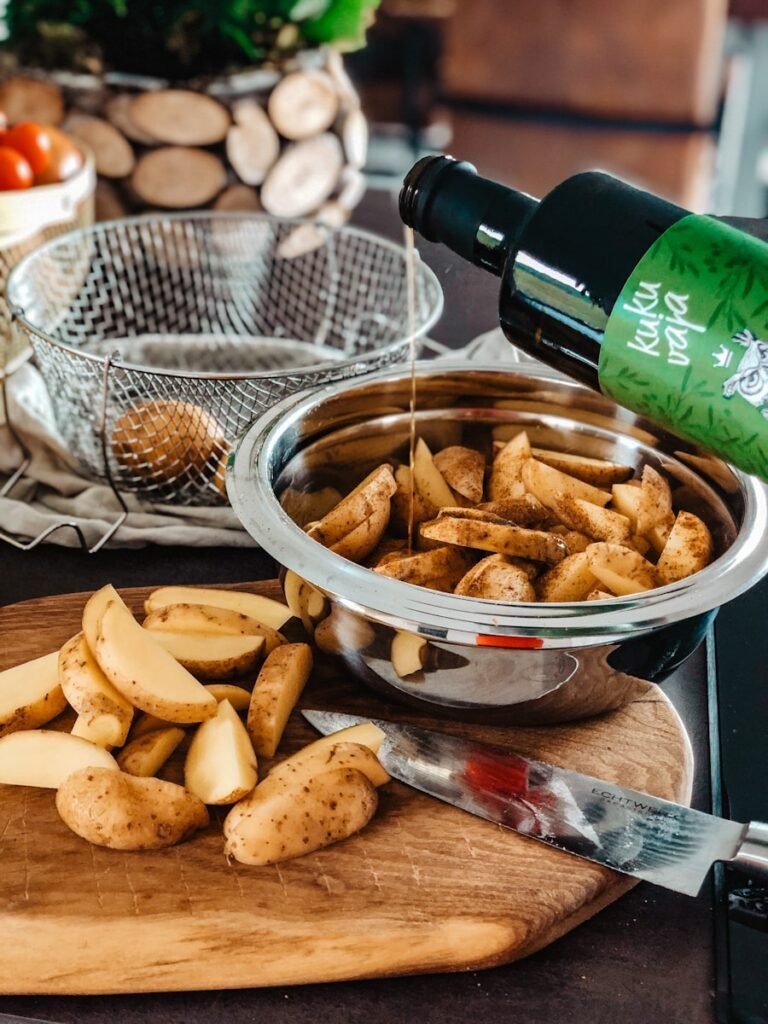
Most food products fail at scale because founders rush into OEM before resolving technical constraints. Consistency, stability, and documentation determine whether scaling destroys value or preserves optionality.
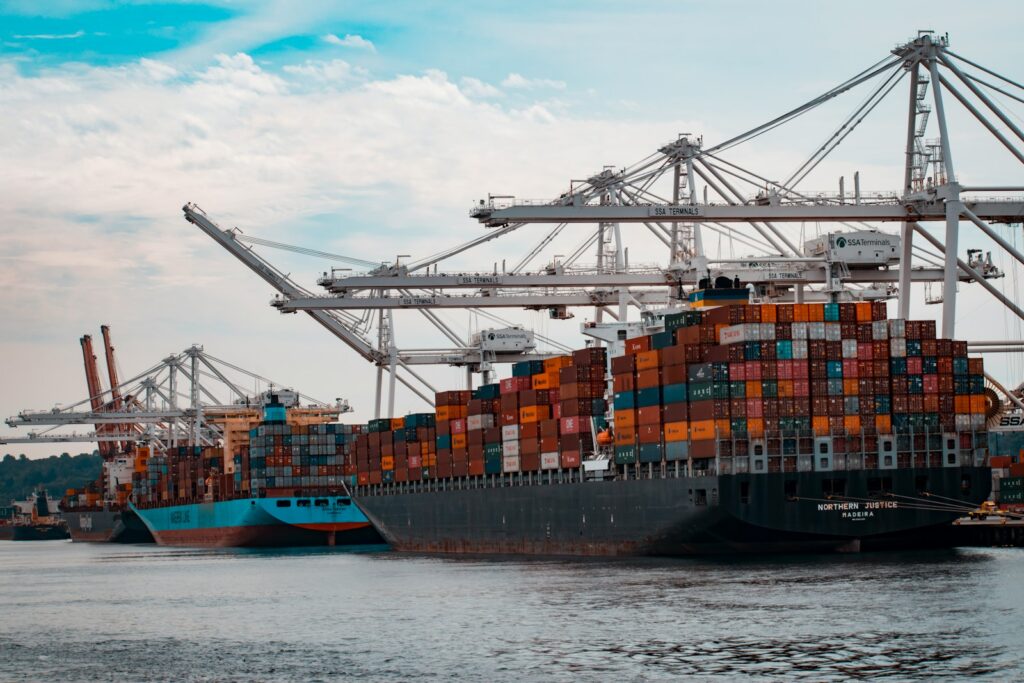
Malaysian food brands fail at export not because of distributors, but because products are poorly designed for overseas conditions. Good export performance starts with product quality, pricing reality, and technical survivability — not packaging.

Most distributor-owned brands in Southeast Asia fail quietly. This Insight contrasts Marigold (Yeo Hiap Seng) with a common Singapore failure pattern to show why ownership only works when judgment and control are held upstream.