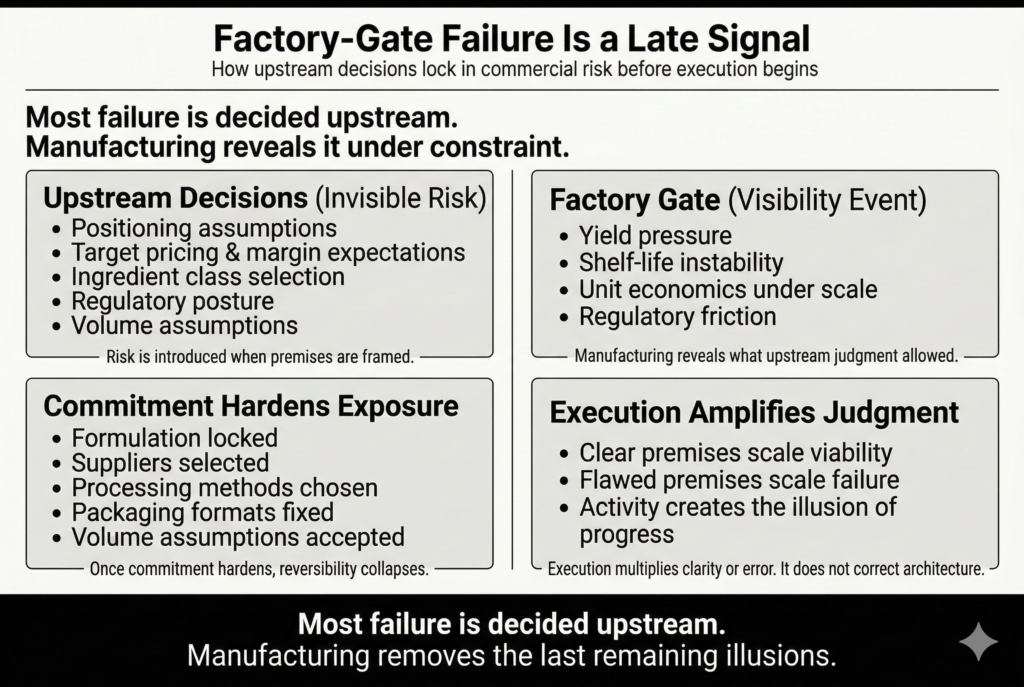
Factory-Gate Failure Is a Late Signal of Upstream Risk
Why most food & beverage product failures are decided upstream and only revealed at manufacturing. A decision-risk analysis for founders, operators, and investors who carry consequence.
 Skip to content
Why most food & beverage product failures are decided upstream and only revealed at manufacturing. A decision-risk analysis for founders, operators, and investors who carry consequence.

Fixing one product’s formulation and stability builds brand trust, repeat purchase, and export
readiness. Expanding unstable SKUs multiplies failure and weakens long-term brand equity.
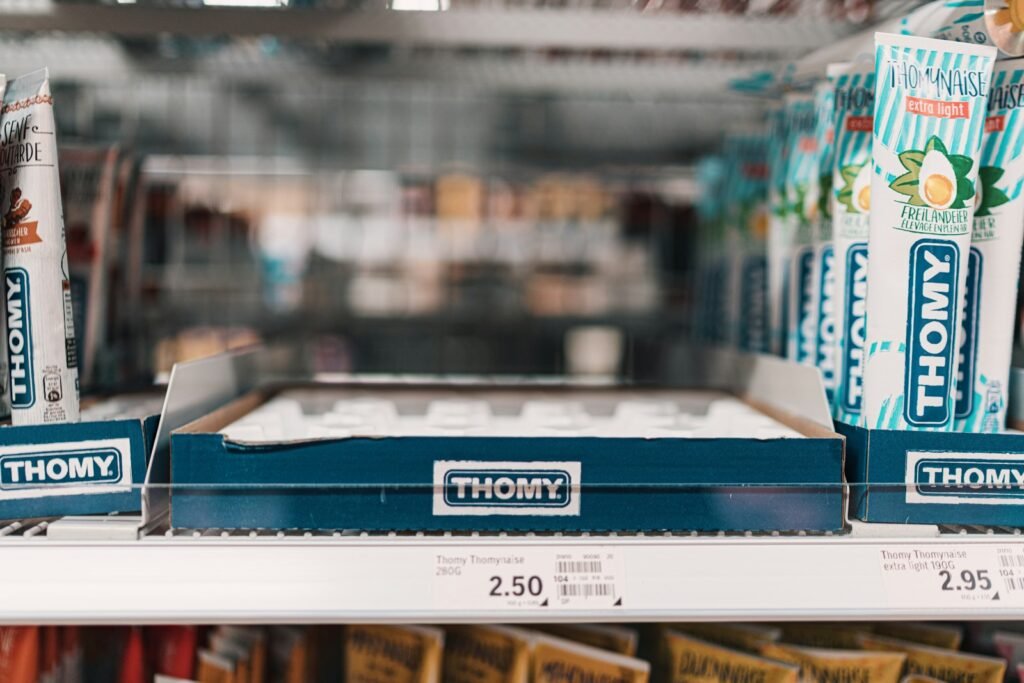
Unfixed formulation and stability problems quietly trigger retailer replacement. Shelf space in ANZ
is reallocated to more reliable products, often created by those who learned from your failure.
Most professionals overinvest in manufacturing and underinvest in judgment. This Insight explains the real distribution of effort between judgment, manufacturing, and distribution in ANZ markets.

Under-investing in product engineering shifts cost downstream into marketing dependency, weak repeat purchase, and fragile brand economics in North American food scaling.
Shelf-life failure quietly destroys repeat purchase, channel trust, and brand viability in food & beverage scaling across North America.
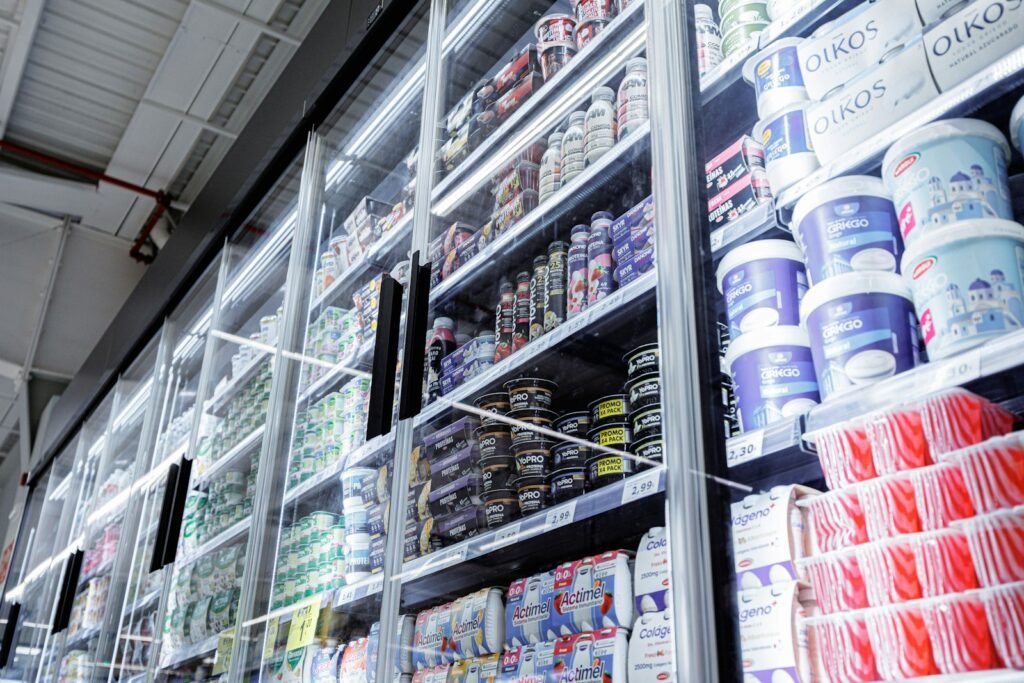
First-mover advantage fails when products don’t survive real-world distribution. In North America, early execution errors quietly destroy repeat purchase and brand viability.
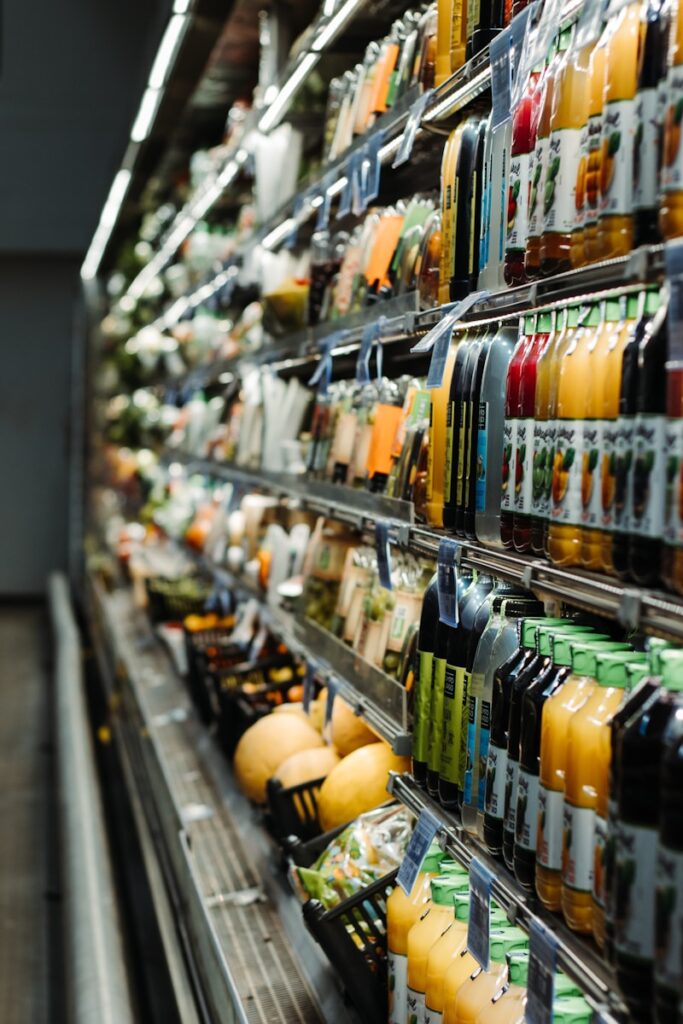
Supermarket rejection is rarely about branding or pitch. “Not yet” usually signals product readiness gaps in consistency, stability, compliance, and unit economics that make downstream risk unacceptable.

Most food products fail at scale because founders rush into OEM before resolving technical constraints. Consistency, stability, and documentation determine whether scaling destroys value or preserves optionality.
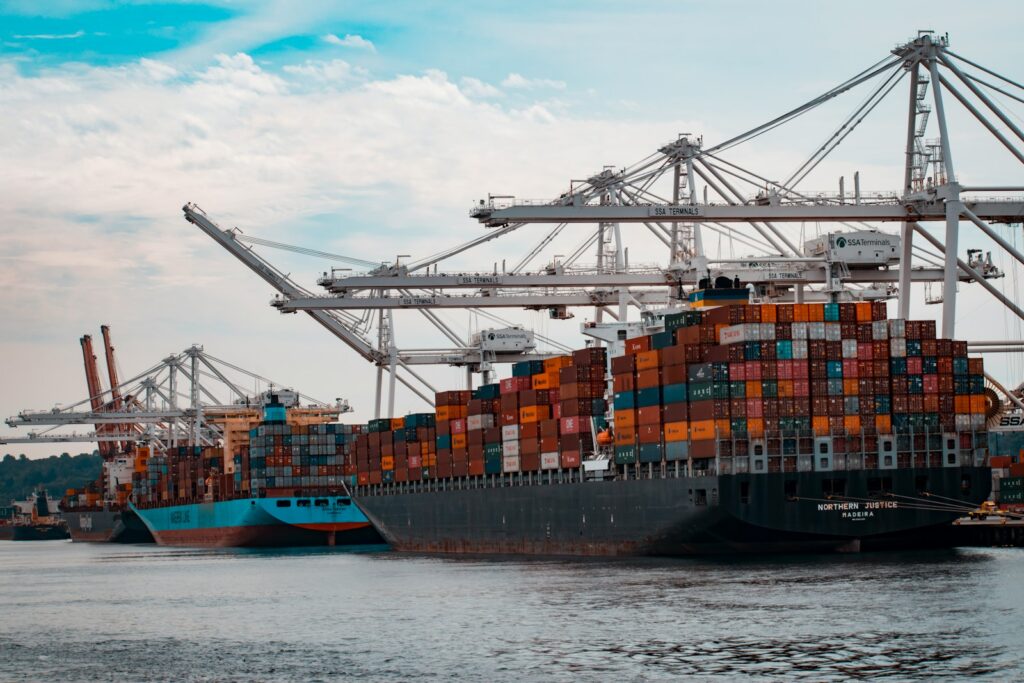
Malaysian food brands fail at export not because of distributors, but because products are poorly designed for overseas conditions. Good export performance starts with product quality, pricing reality, and technical survivability — not packaging.